
Archives

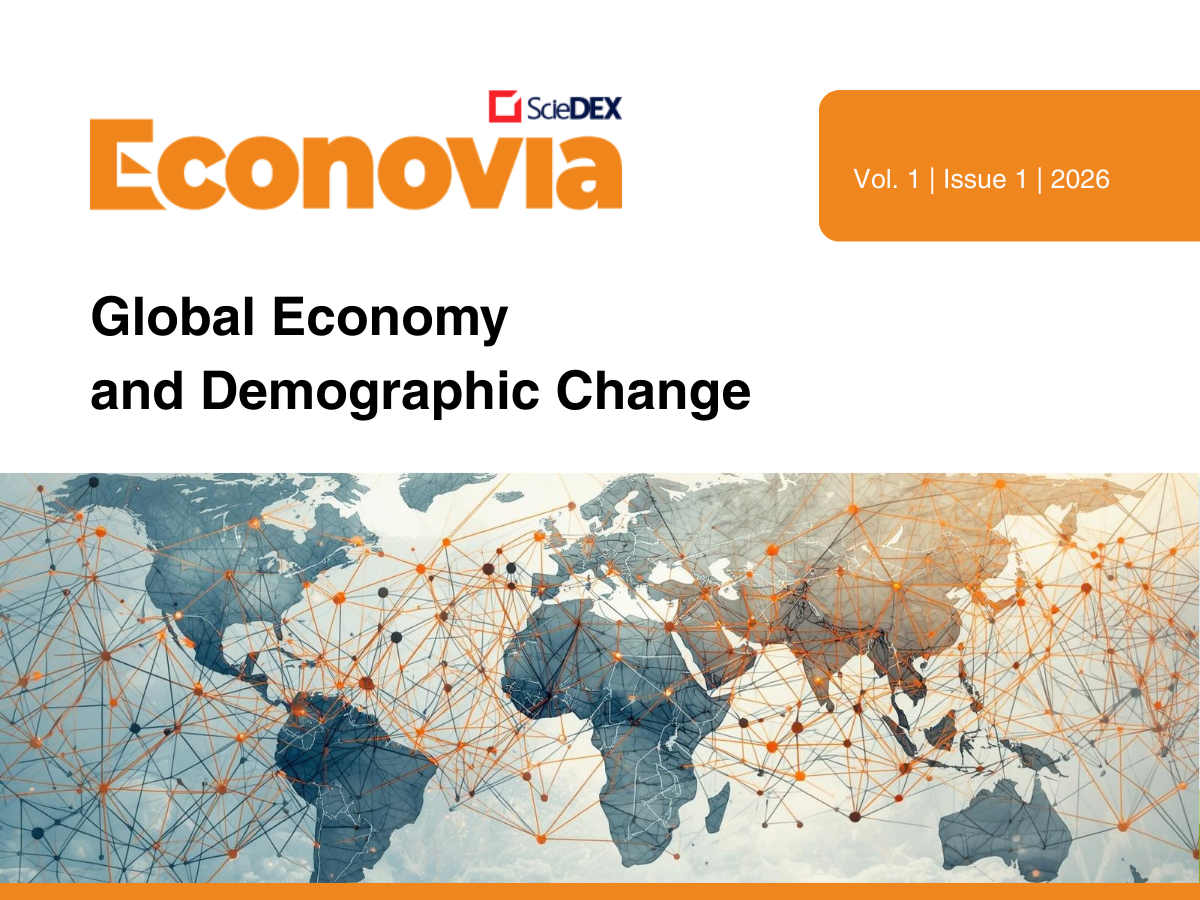
  • Global Economy and Demographic Change
    Vol. 1 No. 1 (2026)

    Demographic change has become one of the most significant structural forces shaping the contemporary global economy. Declining fertility rates, population aging, and shifting demographic structures are transforming labor markets, consumption systems, technological development, and patterns of global economic interaction. Understanding these transformations is essential for interpreting long-term economic dynamics in both advanced and emerging economies.

    This issue of Econovia examines how demographic transformations influence economic systems across multiple dimensions. The articles explore the implications of fertility decline for consumption structures, the impact of population aging on labor market dynamics, the relationship between demographic pressures and technological substitution, and the role of demographic divergence in reshaping global economic power.

    Together, these contributions provide conceptual perspectives on how demographic forces reorganize economic structures and institutional responses in the twenty-first century, highlighting the growing importance of demographic analysis in understanding global economic transformation.

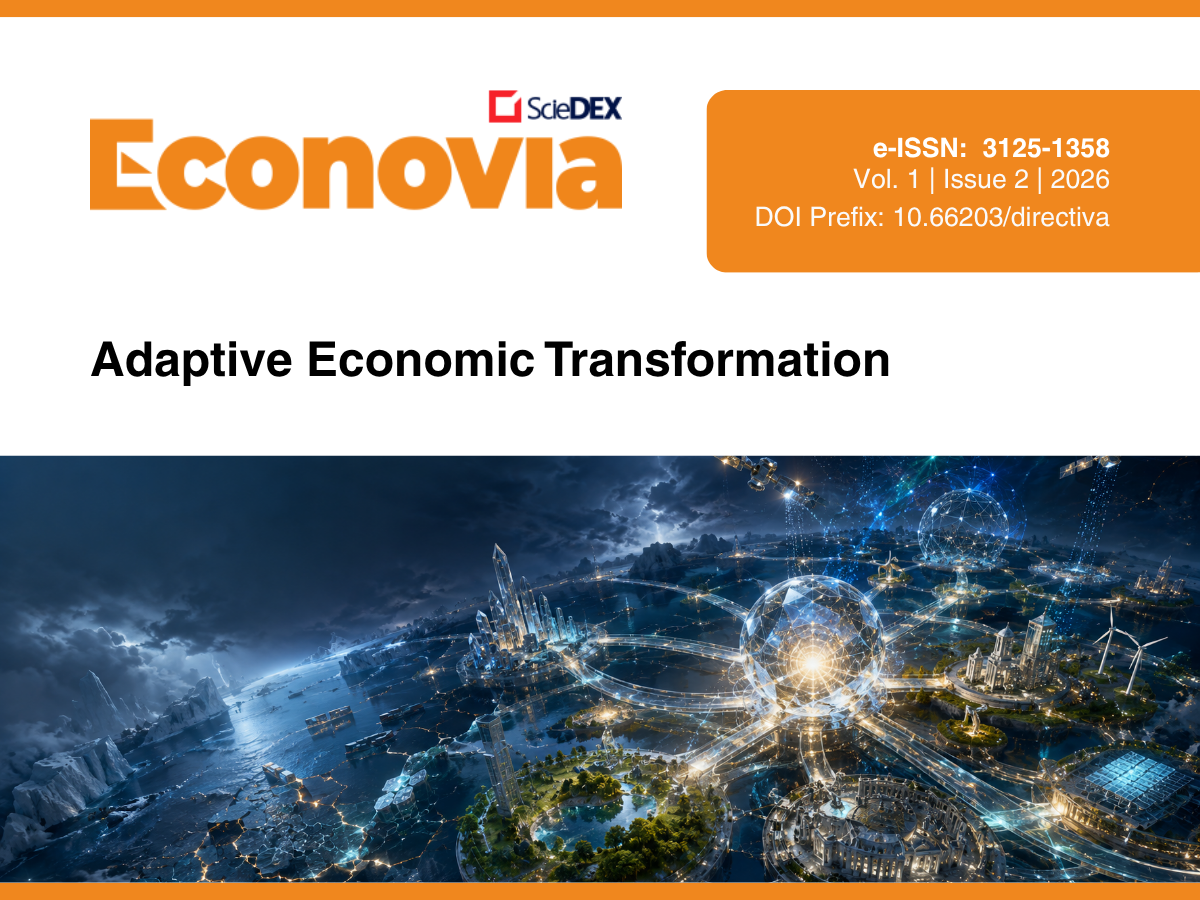
  • Adaptive Economic Transformation
    Vol. 1 No. 2 (2026)

    The accelerating convergence of artificial intelligence, digitalization, geopolitical uncertainty, climate challenges, and systemic disruption is fundamentally reshaping how economies, organizations, and institutions create value and sustain long-term development. Rather than viewing resilience as a return to stability, contemporary scholarship increasingly recognizes adaptation as a continuous process of learning, innovation, institutional renewal, and ecosystem collaboration. This issue brings together diverse theoretical perspectives that collectively illuminate how adaptive capabilities are becoming the cornerstone of economic transformation in an increasingly complex and interconnected world.

    Spanning multiple levels of analysis, the contributions explore how adaptive capabilities emerge through the interaction of organizations, governments, financial systems, innovation ecosystems, and workforce development. Together, they advance an integrated understanding of how strategic coordination, institutional agility, technological intelligence, and collaborative governance enable societies to navigate uncertainty while fostering sustainable growth, resilience, and inclusive development.

    By presenting new conceptual foundations for adaptive economic transformation, this issue invites readers to rethink conventional assumptions about resilience, competitiveness, and innovation in the digital era. It offers fresh theoretical insights for scholars, policymakers, and practitioners seeking to understand how adaptive systems can shape more resilient, intelligent, and sustainable economic futures.